
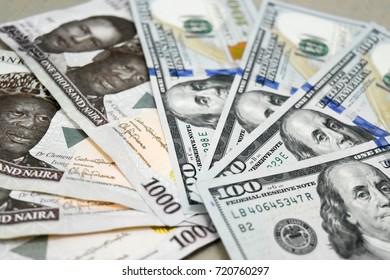

Nigeria’s total public debt is projected to rise to about N155.1 trillion following the approval of a fresh $6 billion loan request by President Bola Ahmed Tinubu by the Senate.
The new borrowing, calculated at an exchange rate of N1,400 per dollar, adds about N8.4 trillion to the country’s existing debt stock of N146.69 trillion as of the end of 2025.
The Senate, led by Godswill Akpabio, approved the request within a few hours after it was presented at plenary, drawing criticism from stakeholders over the speed of the approval process.
The loan request was contained in two separate letters sent by the President, seeking approval for a $5 billion structured Total Return Swap (TRS) financing arrangement with First Abu Dhabi Bank, as well as a $1 billion export finance facility from the United Kingdom arranged by Citibank.
According to the President, the funds will be used for budget implementation, infrastructure development, and refinancing of existing debts. Part of the loan will also finance the rehabilitation of the Lagos Port Complex and Tin Can Island Port to improve efficiency and align Nigeria’s maritime infrastructure with global standards.
The Senate Committee on Local and Foreign Debts, chaired by Aliyu Wammakko, recommended approval of the request, noting that the facility would be drawn in tranches to reduce immediate fiscal pressure.
According to Vanguard newspaper, financial experts have raised concerns over the implications of the loan. They warned that the borrowing could worsen Nigeria’s debt service-to-revenue ratio, already estimated at about 60 per cent, and expose the country to significant foreign exchange risks.
An analyst at Quest Merchant Bank, Tunde Abidoye, explained that the structure of the loan means that any depreciation of the naira would increase repayment costs, as obligations would be settled in dollars.
Similarly, investment expert David Adonri cautioned that continued reliance on external borrowing could mortgage the country’s future, stressing that foreign-denominated debt exposes Nigeria to unstable exchange rate conditions.
Economic analyst Clifford Egbomeade also noted that while the port rehabilitation component has clear economic benefits, concerns remain about debt sustainability and the government’s ability to meet repayment obligations if projected revenues underperform.
He added that improved port infrastructure could enhance trade efficiency and boost revenue, but the overall impact would depend on effective execution and measurable economic gains.
A Lagos-based business executive, Simon Tumba, called for greater transparency in the government’s borrowing plans, particularly regarding repayment strategies and overlapping loan arrangements.
Meanwhile, former Vice President Atiku Abubakar criticised the National Assembly for what he described as a “lightning-speed” approval of the loan request.
In a statement, he expressed concern over the lack of thorough debate and scrutiny, warning that such decisions could have long-term consequences for the country’s fiscal stability.
Atiku argued that while borrowing is not inherently wrong, reckless borrowing without proper oversight could be dangerous, urging both the executive and legislature to exercise greater responsibility and transparency in managing public debt.